
Fayetteville rhythm
A strong local-business culture
Many newcomers are surprised by how much Fayetteville supports local restaurants, coffee shops, shops, artists, makers, and neighborhood gathering places.
Fayetteville city guide
Fayetteville has a way of bringing people together through long-standing traditions, local businesses, arts, music, parks, annual gatherings, and the activity that moves through the city year after year.
The city blends university energy, outdoor recreation, local culture, and familiar rituals into a rhythm that feels active, rooted, and distinctly Fayetteville.
At a glance
City Identity
Community & Energy
Community Heart
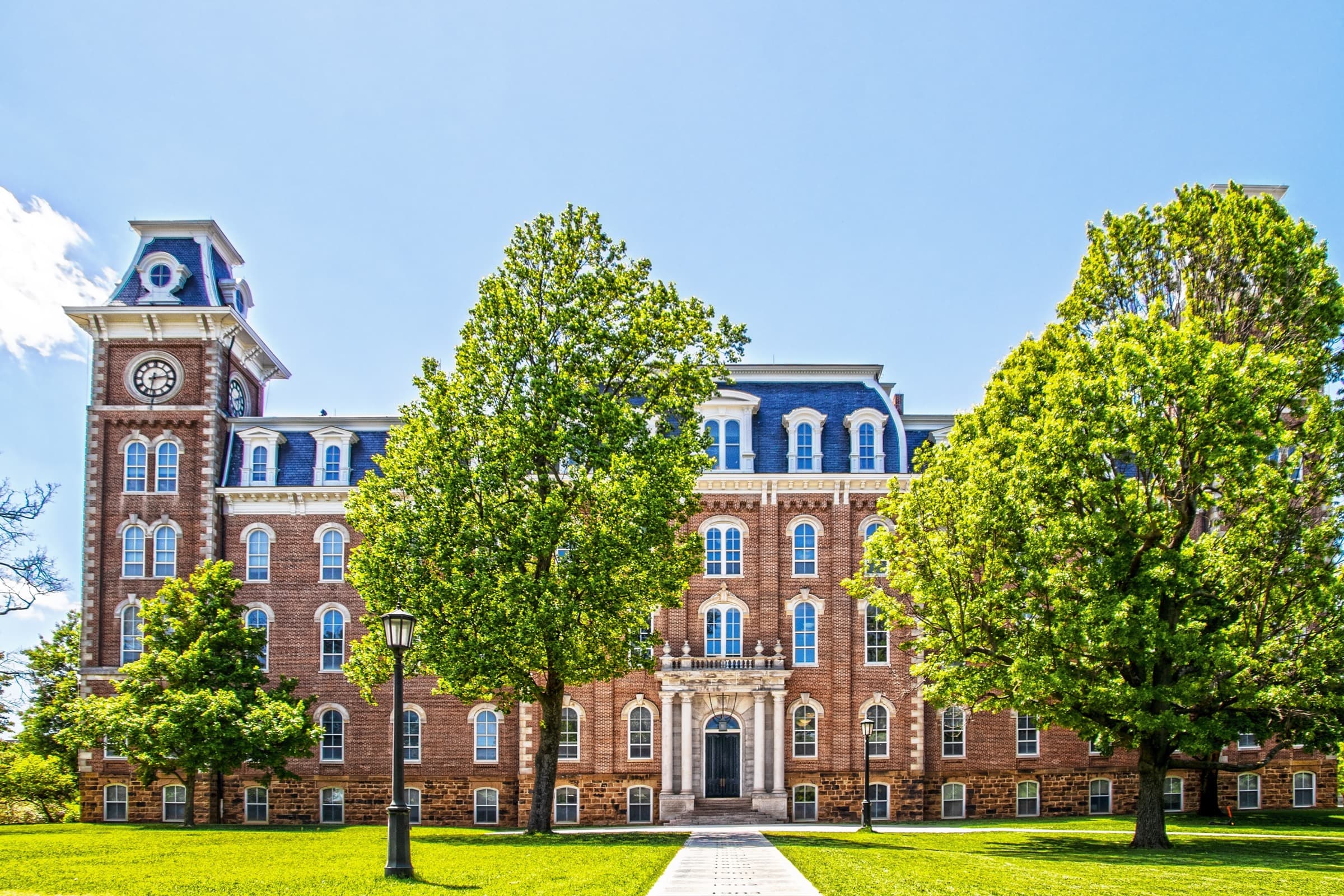
The Historic Fayetteville Square and Dickson Street.
Known For
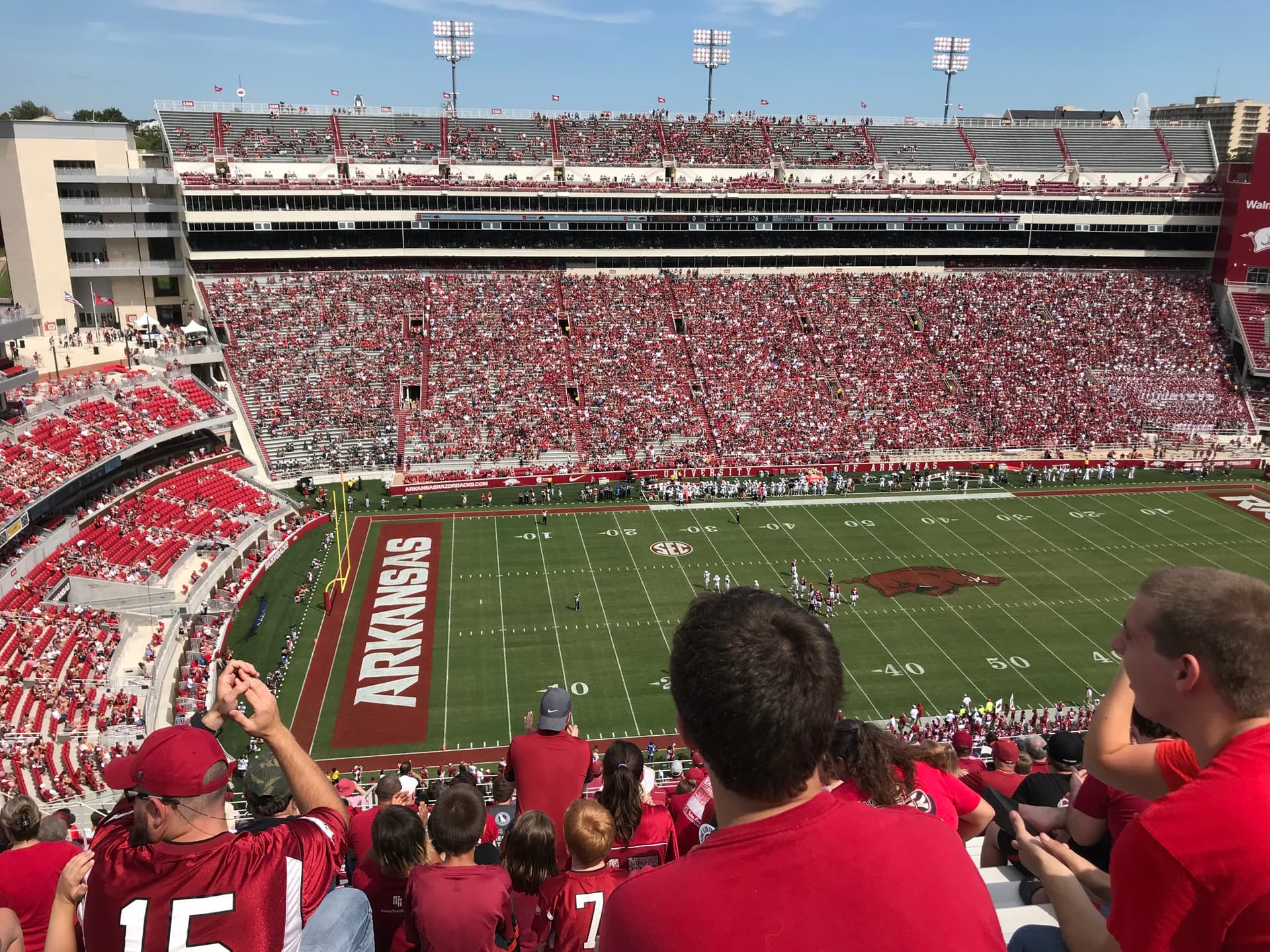
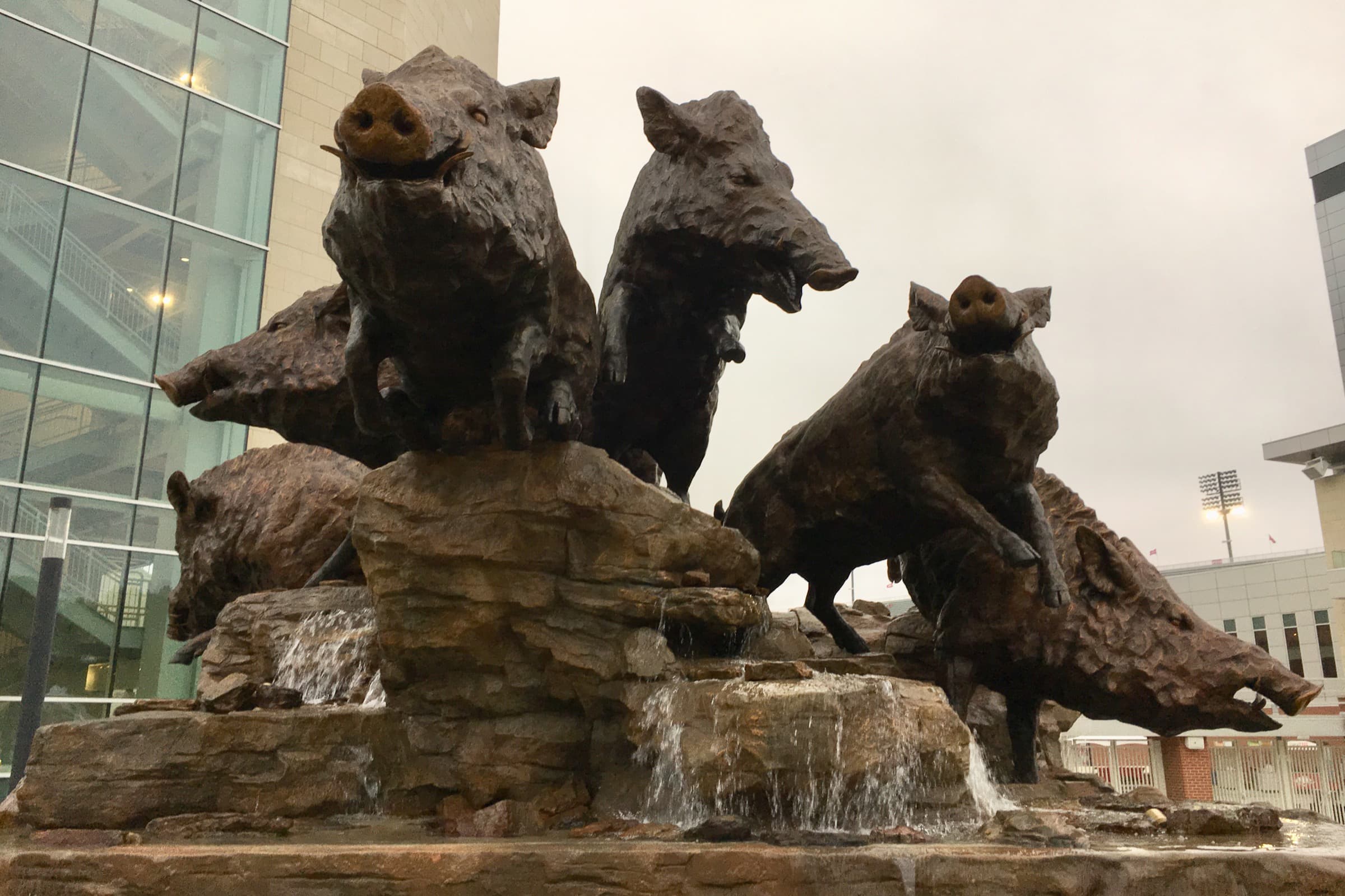
The University of Arkansas, Razorback traditions, arts, and live music.
Outdoor Life
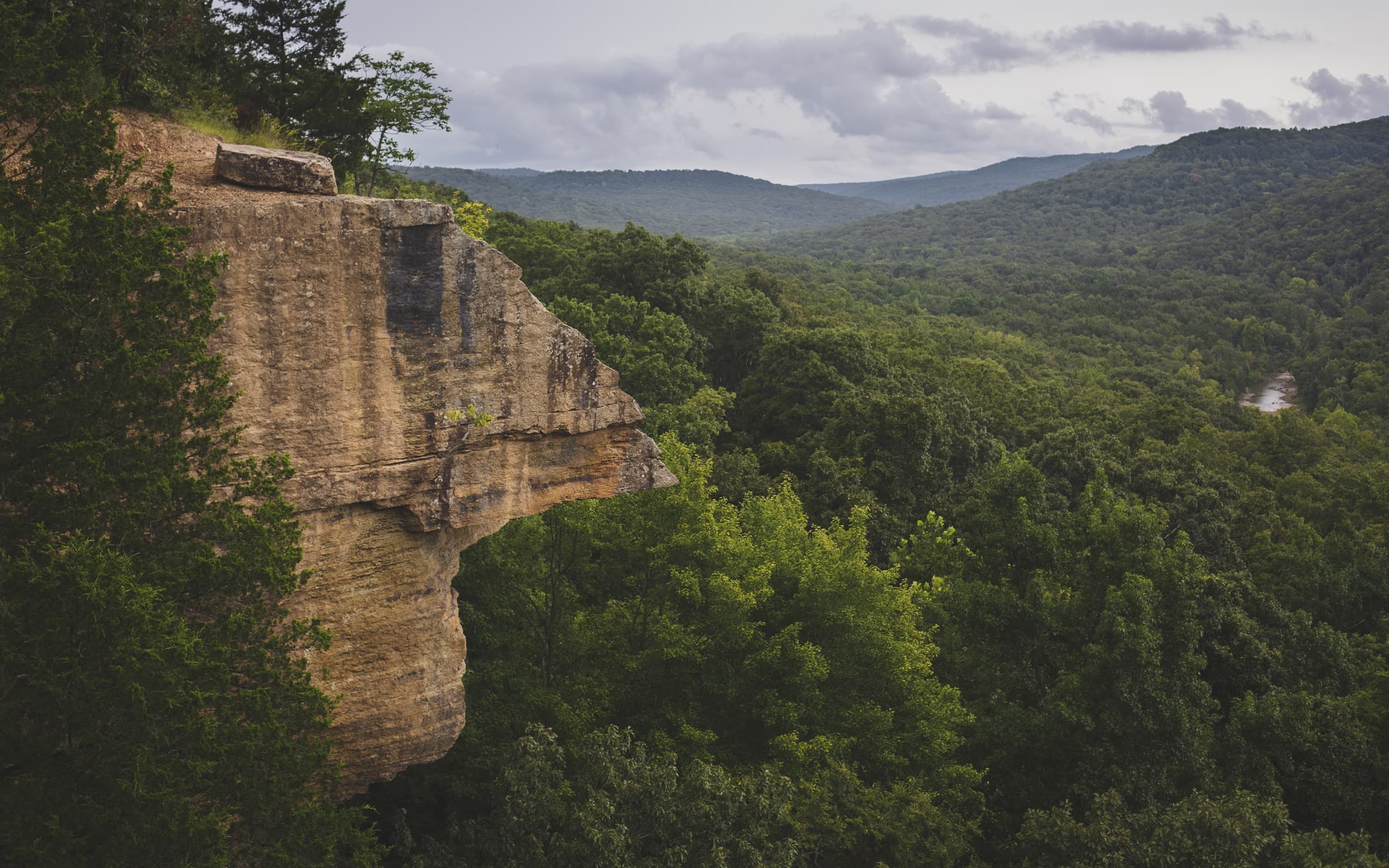
Trails, parks, Mount Sequoyah, Kessler Mountain, and easy access to the Ozarks.
Housing Style
Historic neighborhoods, established communities, student housing, and newer developments.
Location
Southern Northwest Arkansas with direct access to the Boston Mountains and the rest of the region.
Why people choose Fayetteville
The city brings together locally owned restaurants and shops, university traditions, arts, music, sports, parks, and gathering places in a way that gives everyday life a clear civic rhythm.
Fayetteville rhythm
Many newcomers are surprised by how much Fayetteville supports local restaurants, coffee shops, shops, artists, makers, and neighborhood gathering places.
Fayetteville rhythm
The University of Arkansas and Razorback sports give the city a distinct rhythm, especially around game days, events, and seasonal routines.
Fayetteville rhythm
It is possible to work, meet friends at a local coffee shop, attend a Razorback event, spend time outside, and end the evening with music or dinner without leaving the city.
Downtown Fayetteville and Dickson Street
Downtown Fayetteville and Dickson Street sit close together, but they do not feel identical. One often works like a civic gathering place; the other carries more music, nightlife, dining, arts, and university-adjacent energy.
The Downtown Square is one of Fayetteville's civic gathering points, with the farmers market, local businesses, seasonal events, restaurants, and a walkable center of activity.
Dickson Street has a different energy, shaped by music, nightlife, restaurants, Walton Arts Center, and its connection between downtown and the university.
A Saturday in Fayetteville
Fayetteville's rhythm often comes from how many different kinds of experiences sit close together: local food, university events, outdoor recreation, arts, music, and shared places to gather.
The day might begin with coffee at Arsaga's or Puritan before drifting toward the Fayetteville Farmers Market when the square is full of vendors, flowers, food, and familiar weekend energy.
Lunch can stay local at Hugo's or Wood Stone, with enough time afterward to walk downtown, meet someone nearby, or let the day unfold without leaving the center of town.
By afternoon, the rhythm can shift toward a Razorback baseball or basketball game, a ride at Centennial Park, time at Kessler Mountain, or another outdoor stop close to the city.
Dinner might mean Theo's, Herman's, or Mermaids before the night carries into Dickson Street, live music, or a performance at Walton Arts Center.
Outdoors and recreation
Fayetteville makes it possible to move between work, errands, community events, sports, and outdoor recreation without treating those parts of life as separate worlds.
Kessler Mountain
Centennial Park
Lake Fayetteville
Botanical Garden of the Ozarks
Mt. Sequoyah
Local culture, community, and university rhythm
Support for local businesses, arts, music, festivals, markets, gathering places, and Razorback traditions gives Fayetteville a strong sense of participation. The University of Arkansas helps shape the city's seasonal rhythm, while local culture ensures that rhythm feels rooted rather than one-dimensional.
Culture note
Fayetteville's restaurants, coffee shops, stores, markets, and creative businesses help give the city a strong local identity.
Culture note
Live music, galleries, theater, festivals, performances, and public events are part of how the city gathers and expresses itself.
Culture note
The square, Dickson Street, parks, trails, patios, and event spaces all create places where people cross paths and return over time.
The city moves with the university
Fayetteville is not only a university town, but the university and Razorback sports influence how the city feels at different points of the year. Events, game days, campus activity, performances, and shared traditions can add energy to the city without defining every part of it.
That rhythm can be practical as well as emotional. Game days and major university events can affect traffic, parking, restaurant demand, and the way people move through town.
Housing and practical context
The city includes historic homes, established neighborhoods, newer developments, downtown living, and a broad mix of housing styles, ages, and settings. Practical considerations such as parking, routes, game-day activity, topography, and daily errands are part of that housing conversation, not separate from it.
Some parts of Fayetteville include older homes and streets with long-standing character close to established city centers.
Many areas have mature trees, familiar routes, and residential patterns that have developed over time.
Growth has added newer homes, townhomes, and development patterns in different parts of Fayetteville.
Some people look near downtown or Dickson Street for walkability, access to restaurants, events, and a more active daily rhythm.
Fayetteville includes a range of housing styles, lot sizes, ages, and settings, so local context matters when comparing options.
A Fayetteville home search should account for rhythm and access.
Downtown proximity, university-related activity, outdoor access, housing age, parking, commute patterns, and daily routines can all shape how a location feels.
What to know
Beyond the cultural rhythm, Fayetteville is a larger and more varied city than some newcomers expect. Daily life can feel different depending on housing age, location, parking, routes, and proximity to gathering areas.
Is Fayetteville right for you?
If your ideal city includes local businesses, shared traditions, outdoor recreation, arts, music, university energy, and places where people naturally gather, Fayetteville may be worth exploring.
Next step
Fayetteville is the region's gathering-and-community city: local, energetic, tradition-rich, and shaped by the places where people keep showing up.